Setlist Templates: Build Once, Reuse Every Weekend
Once a band has played a few dozen gigs, a pattern emerges. The wedding set has a shape. The pub set has a shape. The corporate dinner-and-dance has a shape. Rebuilding that shape from nothing every time is wasted effort. A template captures the structure once so each new gig starts from your proven skeleton, not a blank page.
The short version
- Your gigs already follow repeatable shapes. A template just writes that shape down.
- Pinned slots lock the openers, closers and key moments while the rest stays flexible.
- Templates make a new setlist a five-minute job instead of a half-hour one.
The shape is the reusable part
The songs in your wedding set will change from gig to gig, but the structure usually does not. Three sets, a softer dinner section, a big singalong before the cake, a guaranteed floor-filler to close. That structure is hard-won knowledge. Templates exist so you only have to figure it out once.
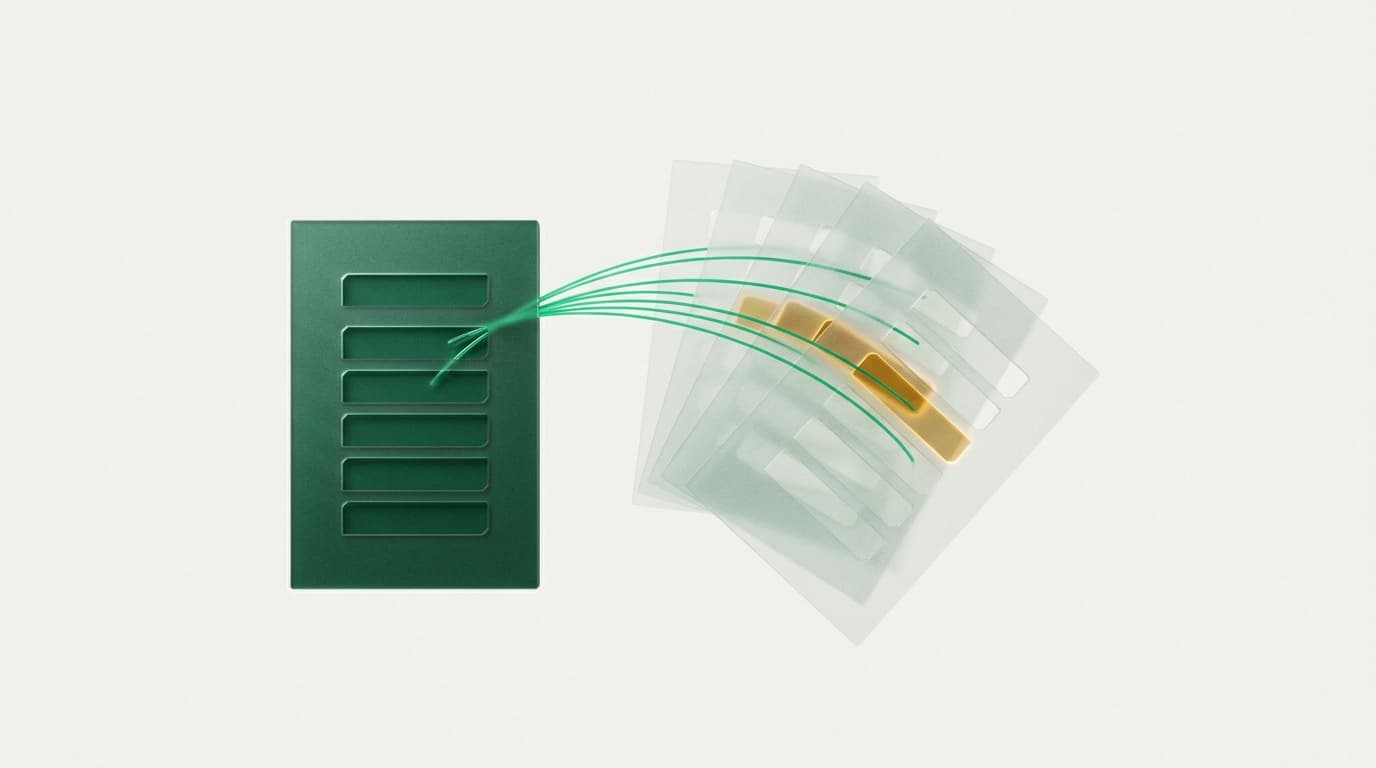
A template is a setlist skeleton: the right number of sets, the right rough length, and slots that know what kind of song belongs in them. You build it deliberately, then spin up real setlists from it whenever a gig comes in.
Pinned slots: lock what must not move
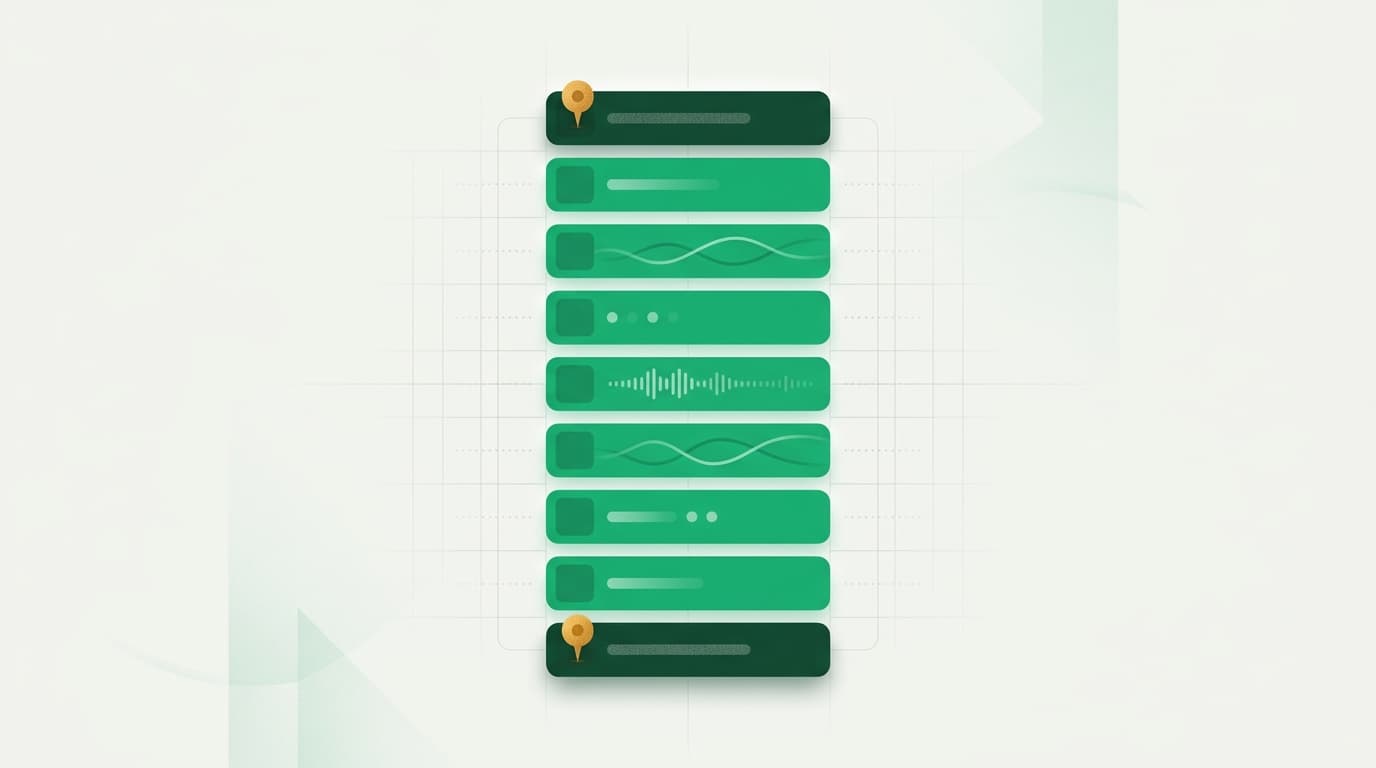
Some positions in a set are not up for negotiation. Your opener, your set closers, the first dance, the song you always finish the night on. Pinned slots let you fix those songs in place in the template, so every setlist you generate from it keeps the moments that matter while filling the flexible slots around them.
A few templates cover most bands
You do not need dozens. Most working bands are well served by a handful that map to the gigs they actually play.
- Pub or club night: steady energy from the first song, two or three sets, hard close.
- Wedding or function: a quiet dinner section, a build to the dance floor, a guaranteed closer.
- Corporate or private party: tighter, broad appeal, nothing too loud early.
- Festival or support slot: short, front-loaded, no slow burners, all peaks.
How a template speeds up the night's planning
When a gig is booked, you pick the matching template, and the structure is already there. The pinned songs are in place, the set lengths are set, and you only have to fill the open slots, by hand or by letting the generator do it within the shape you defined. A job that used to take half an hour with a blank page takes a few minutes.
Because the bones are consistent, your sets also get more reliable. You stop forgetting to leave room for the first dance, or accidentally opening the corporate gig with something too aggressive, because the template will not let you.
Evolve the template, not just the set
When you learn something at a gig, that a section ran long, that the dinner set needed one more song, update the template, not just that night's setlist. Then every future gig inherits the lesson. Your templates become a living record of what your band has figured out about pacing a room.
Frequently asked questions
- What is a setlist template?
- A setlist template is a reusable skeleton for a type of gig: the number of sets, their rough lengths, and slots that know what kind of song belongs in them. You build it once, then create real setlists from it for each new booking instead of starting from a blank page.
- What are pinned slots in a setlist template?
- Pinned slots are positions where a specific song is locked in place, like an opener, a set closer or a first dance. When you build a setlist from the template, the pinned songs stay fixed while the flexible slots around them fill in fresh for that gig.
- How many setlist templates does a band need?
- Usually just a few, one per kind of gig you play. A pub set, a wedding or function set, a corporate set and a short festival set cover most working bands. The point is to capture each gig type's proven shape, not to make a template for every night.
About the author
The Set List Creator team
Written by the people who build Set List Creator, most of whom play covers, function and wedding gigs around New Zealand. The advice here is the same thinking baked into the app.